How to Avoid Sprinkler Frost Damage
As winter approaches, homeowners face various challenges in maintaining their properties, and one often overlooked task is protecting their sprinkler system from freezing temperatures. A frozen sprinkler system can lead to burst pipes and costly repairs, causing undue stress and financial strain. This essay will provide valuable tips and insights on how to safeguard your sprinkler system from freezing, ensuring a worry-free winter season. By following these guidelines, you can be confident that your sprinkler system will remain intact and ready to provide essential irrigation come springtime.
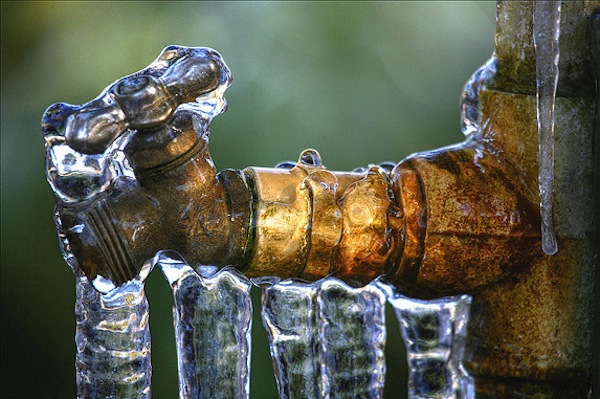
To effectively protect your sprinkler system from freezing, understanding the potential effects of cold weather on its components is crucial. First, water expands when it freezes, and this expansion can cause pipes to crack, resulting in costly leaks and damages. Additionally, valves and other sensitive parts of the system may become damaged due to ice formation, hindering proper functionality. By addressing these vulnerabilities, you can take proactive steps to ensure your system remains unaffected by freezing temperatures throughout the winter season.
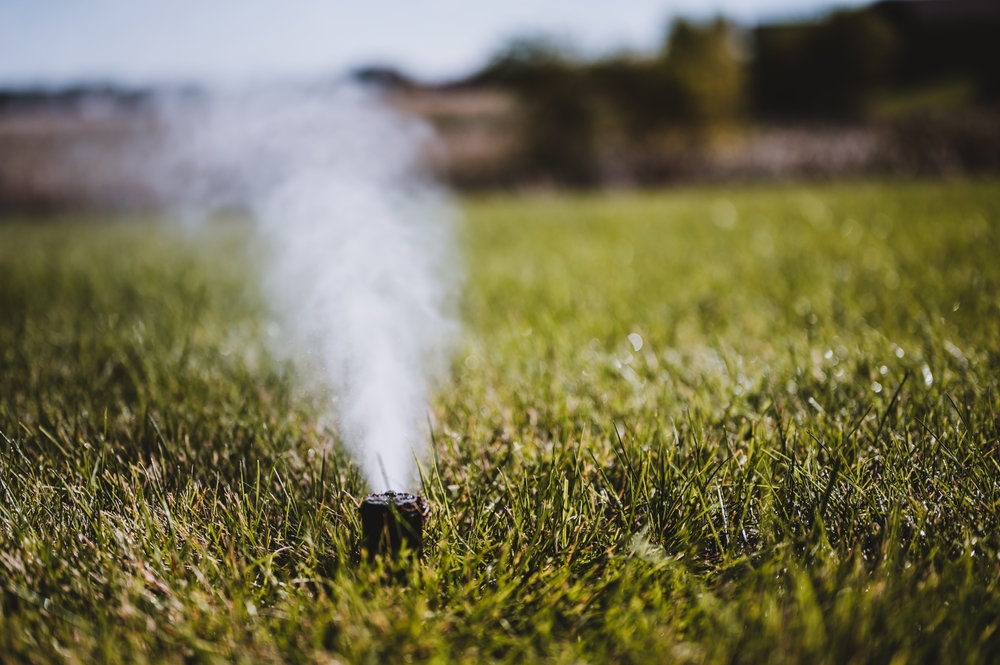
One of the most effective ways to prevent your sprinkler system from freezing is to winterize it before temperatures drop significantly. Winterizing your system typically involves blowing out all remaining water from the pipes, valves, and sprinkler heads to eliminate the possibility of freezing and expansion. This process may vary depending on your specific system, so it’s essential to consult a professional for tailored guidance. Additionally, insulating exposed pipes and components with foam pipe insulation or heat tape can provide an extra layer of protection against freezing temperatures, enhancing the overall resilience of your sprinkler system.
Maintaining regular inspections and upkeep during the winter months is another valuable strategy in keeping your sprinkler system from freezing. By conducting periodic checks, you can promptly identify and address any potential issues, such as ice buildup or damaged components, before they escalate into more critical problems. Combining these diligent preventive measures with proper winterization techniques will significantly reduce the risk of damage to your sprinkler system and ensure its optimal performance when spring arrives.