Soil Types and Tips
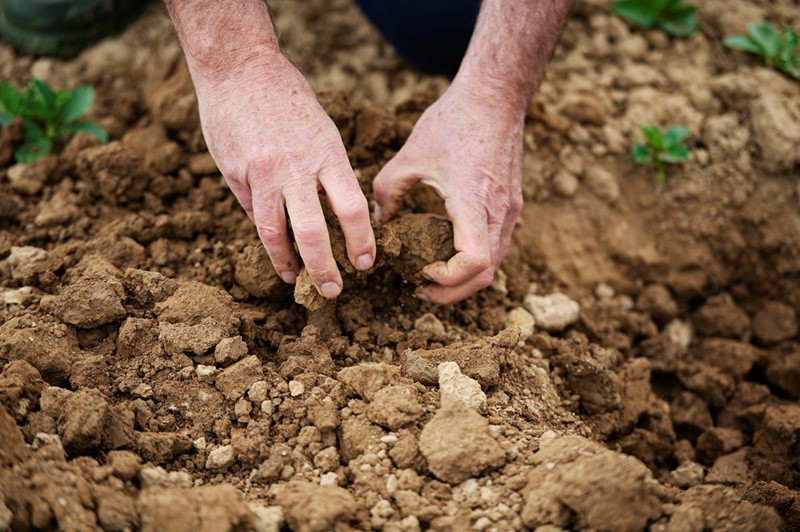
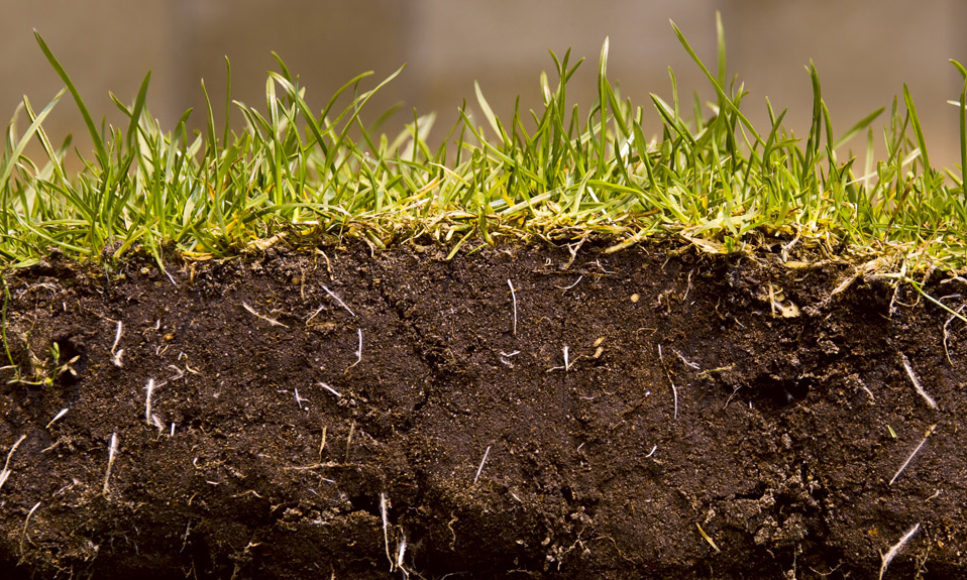
Variations in soil composition, grass species, and climate play a crucial role in determining the most effective watering strategies for maintaining healthy landscapes. Understanding these factors allows for the development of tailored irrigation methods that maximize water-use efficiency and promote optimal plant growth. The diversity of soil types, each with unique properties, significantly influences water absorption and retention, affecting the watering needs of plants. Similarly, grass species have different root structures and water requirements, while regional climate variations impact evaporation rates, rainfall patterns, and seasonal water availability.
In light of these variables, expert landscape architects and horticulturists deploy various assessment techniques to make informed decisions on watering practices. Soil analysis, for instance, reveals the soil’s texture, structure, and nutrient content, enabling professionals to determine the ideal irrigation intervals and methods. Furthermore, identifying the grass species present in a given landscape allows for the selection of suitable watering programs that cater to their individual needs. Lastly, monitoring regional climate and weather patterns ensures the timely adjustment of watering schedules, accounting for seasonal changes and precipitation levels, thereby maintaining lush and healthy green spaces.
Incorporating these factors into landscape management strategies, it becomes possible to develop sustainable watering solutions that align with both environmental and aesthetic objectives. By employing efficient irrigation technologies, such as drip or smart irrigation systems, the amount of water used can be reduced while still satisfying the needs of diverse grass species and soil compositions. Additionally, adopting water-wise practices, like mulching and selecting native or drought-tolerant plants, can further enhance a landscape’s resilience to fluctuations in climate and water availability. As our understanding of these interrelated factors expands, landscape professionals can continue to refine their approaches, minimizing water waste and ensuring the long-term success of green spaces in various environmental conditions.
In conclusion, the complex interplay of soil composition, grass species, and climate variations necessitates a comprehensive approach to watering strategies in landscape management. By utilizing targeted assessment techniques and adopting sustainable practices, landscape professionals can create thriving green spaces that account for regional conditions and resources. This holistic methodology not only ensures the successful maintenance of lush and vibrant landscapes but also contributes to the conservation of our planet’s most precious resource – water. By staying adaptable, informed, and environmentally responsible, today’s landscape architects and horticulturists play a vital role in striking the balance between aesthetics and ecological sustainability, shaping a greener future for generations to come.